Are you finding yourself holding menus further away or struggling to read small print? As we age, many experience presbyopia, a common condition where near vision becomes blurry. The constant switching between distance and reading spectacles can be frustrating and inconvenient. But what if one stylish solution could offer crystal-clear vision for both far and near? Enter glasses with bifocals. These ingenious lenses provide a seamless viewing experience, allowing you to effortlessly transition from distant landscapes to close-up tasks without changing frames. Discover how these versatile spectacles can simplify your daily life, offering convenience, style, and restored visual clarity, making them an essential tool for navigating the modern world with effortless focus.
As individuals approach and pass their 40s, a universal ocular phenomenon often begins to manifest: presbyopia vision correction. This is a common age-related condition that naturally impacts the eye's focusing capabilities. It is not a disease but a normal part of the aging process, distinct from conditions like farsightedness or nearsightedness.
The primary cause of presbyopia lies in the gradual hardening and loss of flexibility of the eye's natural lens, coupled with the weakening of the eye muscles and focus mechanisms that control its shape. This stiffening lens struggles to change shape sufficiently to focus light precisely on the retina, especially for objects up close. The result is increasingly blurry vision when reading or performing other near-vision tasks. Many first notice this when they find themselves holding books or smartphones further away to see clearly.
For optimal presbyopia vision correction, particularly when experiencing these frustrating vision shifts, seeking a professional eye exam for reading glasses is crucial. An optometrist can accurately diagnose the degree of presbyopia and recommend appropriate vision solutions, such as reading glasses or specialized glasses with bifocals. These solutions help restore clear near vision, allowing individuals to continue their daily activities without strain.
Once presbyopia sets in, many people find themselves needing different corrective lenses for different distances. This is precisely where bifocal glasses become an invaluable solution. They are designed to address dual vision needs, providing clear vision for both distant objects and close-up tasks within a single pair of spectacles. The question, "what are bifocal glasses for?", is answered by their ability to seamlessly transition between these two focal points.
The conceptual brilliance of bifocal eyewear dates back to the history of bifocal glasses, specifically to the ingenuity of Benjamin Franklin in the late 18th century. He grew tired of constantly switching between two pairs of spectacles—one for reading and one for distance. His innovative solution was to cut lenses in half, combining a distance correction lens in the upper half with a near correction lens in the lower half. This groundbreaking invention paved the way for modern dual-vision lenses.
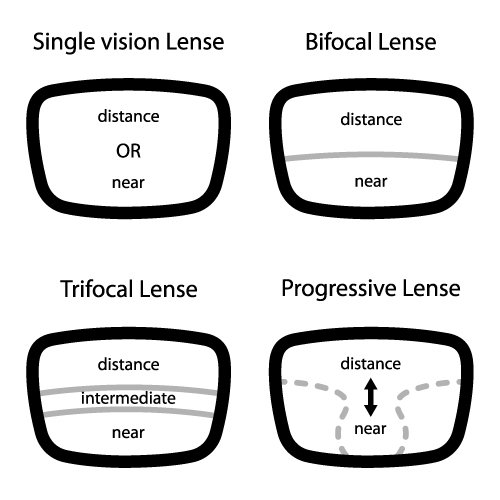
The fundamental principle behind bifocal glasses is straightforward: to accommodate two distinct optical powers within a single lens. The upper portion of the lens typically provides the prescription for distance vision, while a distinct segment, usually located at the bottom of the lens, contains the prescription for near vision. This design eliminates the need for multiple pairs of eyeglasses, offering a convenient and effective way to manage the vision changes associated with aging. For those exploring modern and stylish options, a product like the Pure Titanium Retro Glasses Frame for Men Women Japanese Brand Square Eyeglasses Vintage Spectacles Eyewear High Quality Black Golden can serve as an excellent example of how functionality meets contemporary design in bifocal spectacles.

Traditional bifocal lenses are characterized by their clear, demarcated segments, each serving a specific vision purpose. Unlike single-vision reading glasses that offer one corrective power for near tasks, bifocal spectacles integrate two distinct optical powers within a single lens. This design is a testament to efficient vision correction for those experiencing presbyopia.
The upper portion of a bifocal lens is meticulously designed to provide clear distance vision. This segment allows the wearer to see objects far away without blur, such as road signs while driving or a television screen across a room. It contains the appropriate prescription to correct any existing farsightedness, nearsightedness, or astigmatism for distant viewing.
Conversely, the lower segment of the bifocal lens, often appearing as a D-shape, round top, or executive shape, is dedicated to near vision tasks. This is where the added power for reading and close-up work resides, making it ideal for activities like deciphering small print, using a smartphone, or engaging in hobbies that require detailed focus. It effectively eliminates the need to switch between separate pairs of reading glasses and distance corrective eyewear. This seamless integration differentiates bifocal glasses from simply wearing separate reading glasses online for close work.
The visible line separating these two distinct optical zones is a hallmark of traditional bifocal eyewear. While modern lens technologies, part of the evolution of types of multifocal lenses, have introduced "no-line" progressive lenses, traditional bifocals maintain this clear separation. This design ensures that the wearer consciously shifts their gaze between the distance and near segments, leveraging the specific focal points for optimal clarity.
The decision to choose bifocal glasses comes with a unique set of advantages and potential challenges. Understanding these can help individuals determine if this multi-focus lens solution aligns with their lifestyle and vision needs. The primary benefits of bifocal glasses revolve around unparalleled convenience and functional simplicity.
One of the most significant benefits of bifocal glasses is the sheer convenience they offer. Wearers no longer need to constantly switch between two pairs of spectacles – one for distance and one for reading. This integrated approach means a single pair of bifocal corrective eyewear can manage a wide range of daily activities, from driving and watching sports to reading a book or working on a computer. The distinct segments provide clearly defined viewing areas, allowing for precise vision at both near and far distances, which many users find reassuringly reliable.
However, the transition between these distinct vision zones in bifocal eyeglasses can present a common challenge known as "image jump." As the eye moves from the distance segment to the near segment, objects may appear to abruptly shift or "jump" at the dividing line. This phenomenon requires a period of adaptation as the brain learns to process these visual changes. Users might initially experience slight dizziness or disorientation until they adjust to bifocals and master the subtle head and eye movements required for smooth vision transitions. For those considering these dual-vision lenses, patience during this adjustment period is key.

As vision science advances, the landscape of corrective eyewear, particularly for presbyopia vision correction, has expanded significantly beyond traditional bifocal lenses. While conventional bifocal spectacles have served millions for generations, newer innovations offer a broader spectrum of visual solutions tailored to diverse needs and preferences. These advancements provide smoother transitions, wider fields of view, and more specialized applications, reflecting a continuous evolution in how we manage age-related vision changes with age.
The most prominent distinction between traditional bifocal eyeglasses and progressive lenses (often referred to as varifocal lenses) lies in their optical structure and visual transition. Traditional bifocal lenses feature a clearly visible line separating the distance and near vision segments, as previously discussed. This distinct demarcation provides an immediate, albeit abrupt, shift in optical power. Wearers learn to consciously move their eyes and head to navigate these distinct zones, a process that requires some adaptation.
Conversely, progressive lenses eliminate this visible line, offering a seamless, gradual transition of optical power from distance vision at the top, through an intermediate zone in the middle, to near vision at the bottom. This design mimics natural vision more closely, allowing the eyes to smoothly adjust focus across different distances without any perceptible "image jump." The absence of a visible line also offers a significant aesthetic advantage, as progressive dual-vision lenses appear outwardly indistinguishable from single-vision lenses, a feature many individuals prefer in their corrective eyewear. For those seeking a blend of convenience and discreet design, exploring options for mens readers or progressive lenses online can be a beneficial step.
Beyond bifocal lenses and progressive lenses, another key player in the realm of multifocal eyewear is the trifocal lens. As the name suggests, trifocals incorporate three distinct optical powers into a single lens, addressing a wider range of visual needs. They represent an evolution from bifocals by adding a dedicated intermediate vision segment.
A trifocal lens is specifically designed to provide clear vision at three primary distances: far, intermediate, and near. The top portion of the lens is for distance viewing, much like a bifocal lens. Below this, there is a distinct intermediate segment, typically used for tasks that fall within arm's length, such as viewing a computer screen, a car dashboard, or sheet music. The very bottom segment is dedicated to near vision, ideal for reading small print or intricate close-up work. This expansion of focal zones makes trifocals particularly beneficial for individuals whose daily activities require frequent and precise vision at all three distances, especially as vision changes with age become more pronounced. For instance, a quality pair of glasses with bifocals that can accommodate these advanced lens types, like the mens readers, can offer both superior functionality and a timeless aesthetic, ensuring comfort and style while addressing varied visual needs.
The innovation in corrective eyewear does not stop at bifocals, trifocals, and standard progressives. The field of optometry continually explores new frontiers to address complex visual challenges and improve the user experience of multi-focus lenses. These specialized or cutting-edge designs cater to unique occupational demands or offer advanced functionalities that go beyond conventional passive correction.
Among the various specialized types of multifocal lenses, we find solutions like occupational progressive lenses, designed for specific work environments (e.g., wider intermediate zones for computer users), or anti-fatigue lenses that provide a slight boost in the lower portion to reduce eye strain for individuals spending long hours on digital devices. Furthermore, the advent of digital bifocal lenses has allowed for more precise lens customization, offering wider fields of view and reduced distortions compared to traditional manufacturing methods. Looking to the future, research into adjustable focus glasses technology and even autofocus eyeglasses review are pushing the boundaries, promising dynamic lenses with bifocals that can automatically change power in response to what the wearer is viewing, potentially revolutionizing how we approach presbyopia vision correction in 2025 and beyond. These emerging technologies aim to provide an even more natural and effortless visual experience, minimizing the adaptation period often associated with traditional bifocal eyewear.
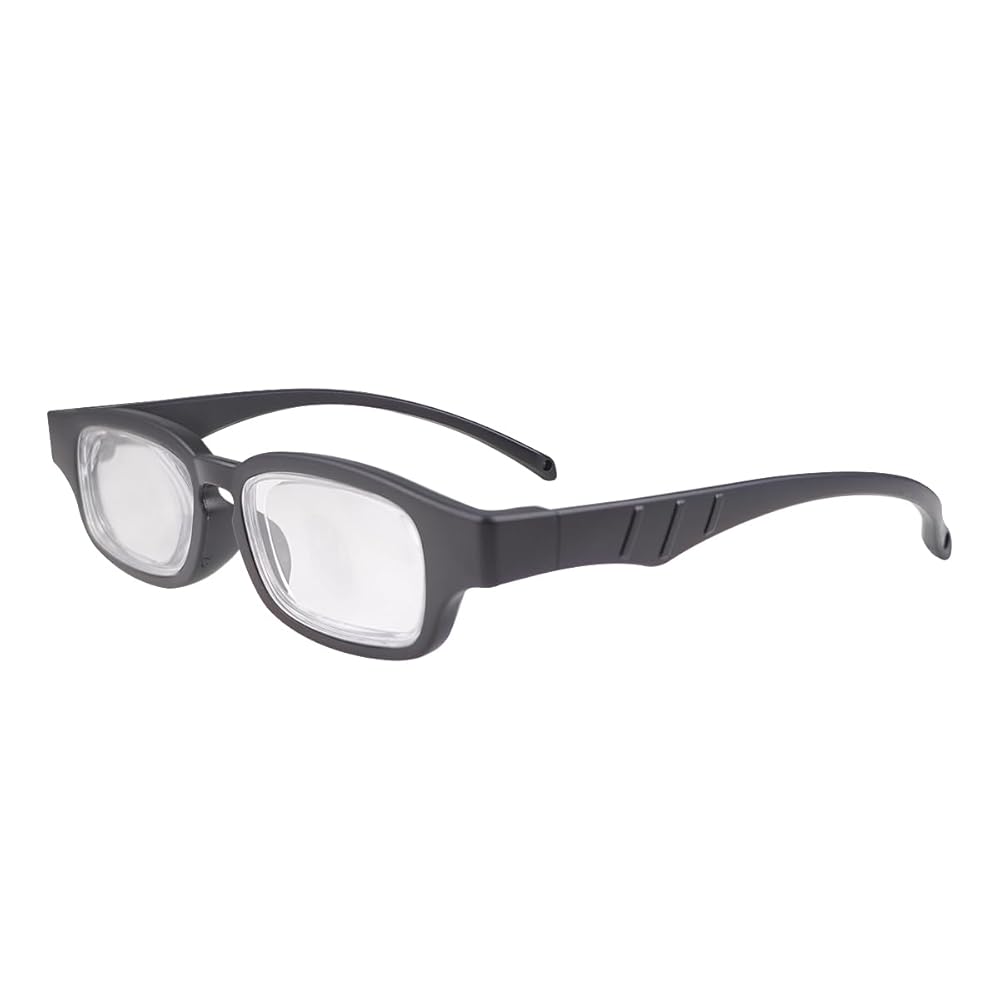
The evolution of corrective eyewear continues to push the boundaries, offering advanced solutions that move beyond traditional bifocal lenses and even progressive designs. For individuals experiencing presbyopia vision correction, 2025 brings exciting developments that promise greater comfort, versatility, and even automated adjustments. These innovative multi-focus lenses are designed to address the inherent limitations of fixed-focus `glasses with bifocals`, providing wearers with seamless visual transitions and enhanced functionality.
The concept of user-controlled adjustable focus lenses with bifocals is not entirely new. As early as 2009, inventor Stephen Kurtin introduced a noteworthy solution. His innovation featured a unique design where a tiny, discreet adjustable slider was placed on the frame bridge of the glasses. This slider allowed wearers to manually change the focus of the lenses, providing clear vision for a variety of distances, whether reading a book, working on a computer screen, or viewing distant objects. This mechanical approach presented a tangible alternative to the fixed nature of traditional bifocals, trifocals, and even progressive lenses, offering unprecedented versatility.
Kurtin's credibility in this field is well-established; as a Caltech applied physics graduate, he holds over 30 patents across diverse technological domains, underscoring the scientific rigor behind his optical inventions. Such mechanically adjustable focus glasses technology laid foundational groundwork for more advanced systems that would emerge in the following years, demonstrating the ongoing pursuit of dynamic presbyopia vision correction.
A prime example debuted in 2024 with the Vixion01, a commercial product from Vixion, a subsidiary of the renowned Japanese optics giant Hoya, showcased notably at CES. The Vixion01 leverages cutting-edge AI-powered vision correction. At its core, the device utilizes a built-in time-of-flight depth sensor. This sensor accurately determines the wearer's viewing distance in real-time. Based on this data, the glasses automatically adjust the shape of small internal lenses, effectively altering the optical power to match the required focus. This automatic adjustment significantly reduces the reliance on the wearer's eye muscles and focus, which are typically strained during close-up tasks in individuals with presbyopia.
The Vixion01 promises remarkably sharp vision across an expansive range, from an ultra-close 5 cm (approximately 2 inches) to infinity. Following a successful crowdfunding campaign in Japan, where it retailed for approximately US$690 (JP¥99,000), Vixion has plans for international expansion in 2025, marking a significant milestone for autofocus eyeglasses. However, the long-term implications of reduced eye muscles and focus usage due to automatic adjustment remain a point of discussion among users and optometrists, sparking debate on potential eye muscle atrophy. For those seeking cutting-edge solutions in corrective eyewear, staying informed on autofocus eyeglasses review and similar innovations is crucial.
Beyond fully automatic solutions, other groundbreaking innovations offer a more controlled, yet equally sophisticated, approach to dynamic vision correction. The development of digital bifocal lenses and touch-activated eyewear represents a middle ground, providing instant focus switching at the user's command. These advanced `glasses with bifocals` are designed for precise control, enhancing user convenience.
A notable example of this technology comes from Japan with TouchFocus technology. These high-tech glasses feature prescription lenses capable of switching focus from far to near with a simple touch of a sensor embedded on the frame. The operational magic lies within liquid crystals, which are precisely embedded in the lower half of the digital bifocal lenses. When activated by the touch sensor, these liquid crystals change their position and orientation, thereby altering the optical power and instantly shifting the focus to near vision. When touched again, they revert to their original state, restoring the regular distance prescription. This provides wearers with an instantaneous and deliberate way to adapt their multi-focus lenses to different visual demands, offering a level of control and precision that surpasses traditional bifocal spectacles. This technology caters to modern lifestyles, where seamless transitions between various visual tasks are increasingly important. For exploring different types of advanced reading glasses, including those with innovative features, you can find a comprehensive selection that meets varied visual needs. To discover more innovative designs for different visual requirements, you might consider visiting this collection: reading glasses with lights. These options often provide enhanced clarity and comfort for prolonged use, ensuring optimal visual performance for both close-up and distance viewing.
In line with this quest for advanced visual clarity, especially for those experiencing `vision changes with age`, consider the Pure Titanium Retro Glasses Frame for Men Women Japanese Brand Square Eyeglasses Vintage Spectacles Eyewear High Quality Black Golden. This frame offers a blend of durability, lightweight comfort, and timeless style, making it an excellent choice for custom corrective eyewear, including modern digital bifocal lenses or even future autofocus eyeglasses. It exemplifies how high-quality design can complement cutting-edge optical technology to provide an exceptional visual experience for demanding users.

The journey towards optimal vision doesn't end with choosing the right corrective eyewear. Maintaining excellent eye health, especially when wearing `glasses with bifocals`, is crucial. Regular check-ups, understanding how your vision changes with age, and proper care for your multi-focus lenses ensure long-term comfort and clarity. This section delves into these vital aspects, providing detailed guidance for presbyopia vision correction users.
During a thorough eye exam for bifocals, several key tests are performed to ensure your bifocal glasses provide the most effective presbyopia vision correction:
These routine tests are indispensable for ensuring your bifocal glasses are optimally prescribed and that your eye health is meticulously managed.
For computer users wearing bifocal lenses, practical steps can be taken to minimize eye muscles and focus strain and optimize visual comfort:
By implementing these strategies, individuals with `glasses with bifocals` can significantly improve their comfort and efficiency when working on digital devices, turning bifocals good for computer use into a more practical reality.
New wearers of bifocal lenses might initially experience a slight visual distortion or "jump" when shifting between the distance and near segments. Here's guidance on how to adjust to bifocals:
For caring for bifocal glasses, ensuring their longevity and clarity is straightforward:
By following these tips, new wearers can effectively learn how to adjust to bifocals and enjoy the full benefits of bifocal glasses, ensuring a clear and comfortable visual experience for years to come.
In navigating the natural progression of vision, understanding the evolution of vision correction is key. We've explored how glasses with bifocals offer a practical, time-tested solution for presbyopia, seamlessly integrating distance and near vision into one convenient pair. From their historical roots with Benjamin Franklin to their modern iterations, bifocals have empowered millions to reclaim clear vision for daily tasks. We also delved into the nuanced differences between traditional bifocals, with their distinct lines, and the smoother transition offered by progressive lenses, providing aesthetically pleasing options for discerning wearers. The discussion extended to trifocals, which add a crucial intermediate vision zone, catering to those with more extensive visual demands across multiple distances. Furthermore, the exciting frontiers of adjustable focus glasses technology and autofocus eyeglasses like the Vixion01 signal a future where vision correction is even more dynamic and intuitive, moving towards an era of personalized and automated visual assistance. These innovations promise to minimize adaptation periods and reduce eye strain, enhancing the overall user experience. Crucially, maintaining optimal eye health through regular eye exams and adopting proper care practices ensures the longevity and effectiveness of your chosen eyewear. Whether you opt for the classic reliability of bifocals or embrace the cutting-edge versatility of modern multifocal solutions, the goal remains the same: to provide clear, comfortable, and convenient vision that adapts to your unique lifestyle. Remember, a comprehensive eye exam is always the first step towards finding your perfect visual aid, ensuring that you remain connected to the world around you with uncompromised clarity, from reading a captivating book to enjoying a distant vista. To explore versatile options for all your near vision needs, including advanced designs, consider our comprehensive collection of reading spectacles.